Our Services
Our Wide Range of
Medical Services
Dr. Rakesh N. Patil is an experienced Consultant Physician in Nashik with over 15 years of experience, delivering Comprehensive care for Diabetes, Hypertension, Infectious Diseases(Dengue, Chikungunya, Malaria, Kala-azar, Tuberculosis, Hepatitis, Pneumonia, Fungal Infection, Typhoid, Diarrhoea or Gastro), Fevers and a wide range of Acute and Chronic illnesses.
Diabetes Mellitus
Diabetes Mellitus (DM) is a metabolic disease, involving inappropriately elevated blood glucose levels. DM has several categories, including type 1, type 2, maturity-onset diabetes of the young (MODY), Gestational Diabetes, Neonatal Diabetes, and secondary causes due to Endocrinopathies, Steroid use, etc. For your visit please enrol the appointment online.
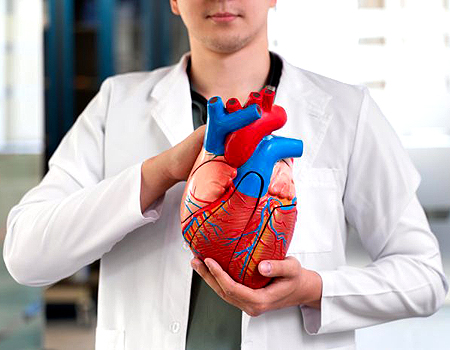
Heart Diseases
Heart and blood vessel disease, also called heart disease, includes numerous problems, many of which are related to atherosclerosis. Atherosclerosis is a condition that develops when a substance called plaque builds up in the walls of the arteries. This build-up narrows the arteries, making it harder for blood to flow through. If a blood clot forms, it can block the blood flow. This can cause a heart attack.
Hypertension (BP)
Hypertension (BP) means high blood pressure, when the force of blood against artery walls is too high. Normal blood pressure is around 120/80 mmHg. Readings consistently above 140/90 mmHg are considered high. Regular monitoring, healthy eating, exercise, and proper treatment help control blood pressure and prevent serious complications.
Thyroid Diseases
Your Thyroid creates and produces hormones that play a role in many different systems throughout your body. When your Thyroid makes either too much or too little of these important hormones, it’s called a Thyroid disease. There are several different types of Thyroid disease, including Hyperthyroidism, Hypothyroidism, Thyroiditis and Hashimoto’s thyroiditis.
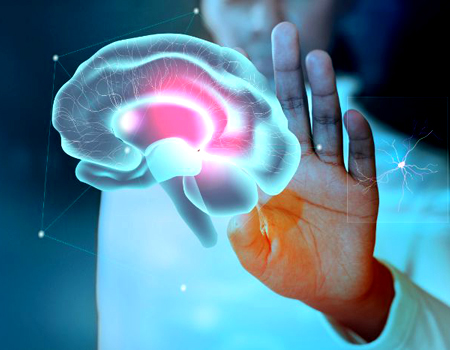
Brain Disorders
There are many types of brain diseases, ranging from injuries and infections to brain tumors and dementia. They can impact your ability to function and carry out daily activities. Outcomes vary widely depending on the type of brain disease, location and severity of the condition.
Headache is pain in the head, scalp, or neck, ranging from mild to severe, often caused by stress, dehydration, lack of sleep, or infections and classified as primary (like tension, migraine, cluster) or secondary (due to another condition).

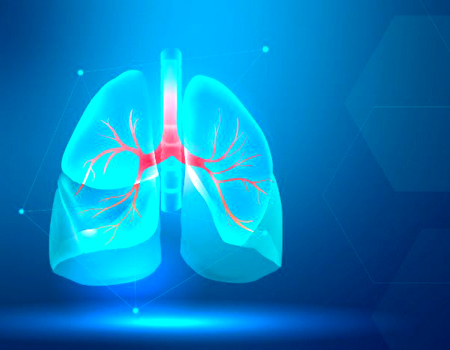
Lung Disease
Lung disease is any problem in the lungs that prevents the lungs from working properly. There are many types of lung disease: Airway diseases, Lung tissue diseases and Lung circulation diseases.
Asthma is a chronic lung disease affecting people of all ages. It is caused by inflammation and muscle tightening around the airways, which makes it harder to breathe. Symptoms can include coughing, wheezing, shortness of breath and chest tightness.
Chronic Obstructive Pulmonary Disease is a progressive, incurable lung disease-primarily caused by smoking or long – term exposure to air pollution/irritants – that causes chronic breathlessness, coughing and wheezing.
Tuberculosis
Tuberculosis (TB) is an infectious disease that most often affects the lungs, but it can also affect other organs like your spine, brain, bone, kidneys and is caused by a type of bacteria. It spreads through the air when infected people cough, sneeze and to spit. Tuberculosis is preventable and curable.
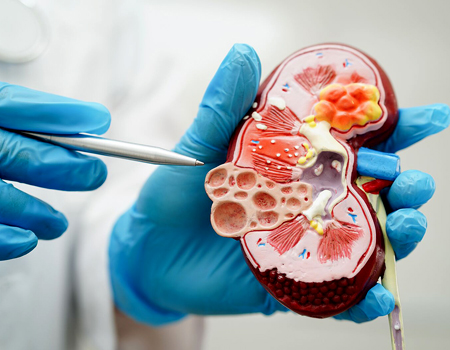
Kidney Diseases
Kidney disease is a condition in which the kidneys gradually lose their ability to filter waste and excess fluids from the blood. Healthy kidneys maintain proper fluid balance, control blood pressure, and regulate important minerals in the body. Common causes include diabetes, high blood pressure, infections, and certain medications. Early symptoms may be mild, but swelling, fatigue, and changes in urination can appear later. Early diagnosis, lifestyle changes, and proper medical treatment help prevent complications and protect kidney function.
Infectious Diseases
Infectious diseases are disorders caused by organisms — such as bacteria, viruses, fungi or parasites. Some infectious diseases can be passed from person to person. Some are transmitted by insects or other animals. And you may get others by consuming contaminated food or water or being exposed to organisms in the environment. Signs and symptoms vary depending on the organism causing the infection, but often include fever and fatigue.
Stomach Disorders
Common digestive disorders include gastroesophageal reflux disease, irritable bowel syndrome, lactose intolerance and hiatal hernia, etc. The most common symptoms of digestive disorders include bloating, constipation, diarrhoea, heartburn, pain, nausea and vomiting.
Arthritis
“Arthritis” literally means joint inflammation. Joints are places where two bones meet, such as your elbow or knee. There are many different types of arthritis with different causes and treatments. In some types, other organs, such as your eyes, heart, or skin, can also be affected.
Arthritis is extremely common, especially in people older than 50. It causes joint pain, stiffness and inflammation.
Obesity
Obesity is a medical condition characterized by excessive body fat that increases the risk of serious health problems. It commonly results from an imbalance between calorie intake and physical activity, along with genetic and lifestyle factors. Obesity raises the risk of diabetes, high blood pressure, heart disease, and joint problems. Symptoms may include breathlessness, fatigue, and reduced mobility. Early intervention through balanced nutrition, regular exercise, and medical guidance is essential to achieve healthy weight management and prevent long-term complications.
Anemia
Anemia is a condition where your blood lacks enough healthy red blood cells or hemoglobin, reducing its ability to carry oxygen, leading to fatigue, weakness, and shortness of breath. Common types include iron-deficiency, vitamin deficiency (B12, folate), anemia of chronic disease, aplastic anemia, hemolytic anemia, sickle cell anemia, each with different causes, from poor diet and blood loss to genetic factors or chronic illnesses.