
FAQ
Your Common Doubt
Frequently Asked Questions
What is Cholesterol?
Cholesterol is a fatty, waxy substance that is essential for building cells and producing certain hormones in the body. It is a type of lipid (fat) and is found in every cell of the body. Cholesterol is necessary for various physiological functions, including the formation of cell membranes, production of vitamin D, and synthesis of hormones such as estrogen and testosterone.
What is LDL and HDL Cholesterol?
Cholesterol can be classified into two main types based on the lipoproteins that carry it in the blood:
Low-Density Lipoprotein (LDL): Often referred to as “bad” cholesterol, LDL carries cholesterol from the liver to cells. If too much LDL cholesterol is present in the blood, it can contribute to the build-up of plaque in the arteries, leading to atherosclerosis (hardening and narrowing of the arteries), which increases the risk of heart disease and stroke.
High-Density Lipoprotein (HDL): Known as “good” cholesterol, HDL helps remove excess cholesterol from the blood and transports it to the liver for elimination. Higher levels of HDL are generally associated with a lower risk of heart disease.
How we can control the Cholesterol level?
Cholesterol levels can be controlled through healthy lifestyle changes and proper medical guidance. A balanced diet low in saturated fats and fried foods, along with increased intake of fruits, vegetables, and whole grains, helps reduce bad cholesterol. Regular physical activity, maintaining a healthy weight, and avoiding smoking are equally important. Limiting alcohol consumption also supports heart health. Regular health check-ups and prescribed medications, if necessary, help monitor and effectively manage cholesterol levels to prevent heart-related complications.
How can a diabetic patient manage high Cholesterol level?
Managing high cholesterol levels is important for individuals with diabetes, as they have an increased risk of cardiovascular complications. Here are some strategies that diabetic patients can use to manage high cholesterol :
Healthy Diet:
- Focus on a heart-healthy diet that includes fruits, vegetables, whole grains, and lean proteins.
- Limit saturated and Trans fats, which can raise LDL cholesterol. Sources of these fats include red meat, full-fat dairy products, and processed foods.
- Choose healthier fats, such as monounsaturated and polyunsaturated fats found in olive oil, avocados, and fatty fish.
Control Blood Sugar Levels:
- Properly manage blood glucose levels to reduce the risk of complications, including cardiovascular issues.
- Follow the prescribed diabetes treatment plan, which may include medication, insulin, and lifestyle modifications.
Regular Exercise:
- Engage in regular physical activity, as it can help raise HDL (“good” cholesterol) and improve overall cardiovascular health.
- Aim for at least 150 minutes of moderate-intensity aerobic exercise per week, along with strength training exercises.
Maintain a Healthy Weight:
- Achieving and maintaining a healthy weight can positively impact cholesterol levels and overall health.
- Losing excess weight, if necessary, can improve insulin sensitivity and lipid profiles.
Medication:
- Depending on the individual’s cholesterol levels and overall cardiovascular risk, a healthcare provider may prescribe cholesterol-lowering medications, such as statins.
- Diabetic patients may benefit from medications that address both diabetes and cholesterol, such as statins with additional glucose-lowering effects.
Regular Monitoring:
- Regularly monitor cholesterol levels, blood pressure, and blood sugar levels as part of routine healthcare.
- Work closely with healthcare providers to adjust treatment plans as needed.
Quit Smoking:
- Smoking can worsen cardiovascular health. Quitting smoking is beneficial for both diabetes management and cholesterol levels.
It’s essential for individuals with diabetes to work closely with their healthcare team to develop a personalized plan for managing cholesterol levels. This may include a combination of lifestyle changes and medications tailored to their specific health needs.
What is Diabetes?
Diabetes mellitus is a long-term medical condition in which the body cannot properly regulate blood sugar levels. It occurs either when the pancreas does not produce enough insulin or when the body cannot effectively use the insulin it produces. Common symptoms include increased thirst, frequent urination, fatigue, appetite and unexplained weight changes. Early diagnosis, healthy lifestyle habits, and proper medical treatment are essential to prevent complications and maintain overall health.
What are the types of Diabetes?
There are two main types of diabetes:
Type 1 Diabetes:
- Often diagnosed in childhood or adolescence.
- Results from the immune system mistakenly attacking and destroying insulin-producing beta cells in the pancreas.
- People with type 1 diabetes require lifelong insulin therapy to regulate blood sugar levels.
Type 2 Diabetes:
- More common in adults, but it can also occur in children and adolescents.
- Develops when the body becomes resistant to insulin or doesn’t produce enough insulin.
- Lifestyle factors, genetics, and other health conditions can contribute to the development of type 2 diabetes.
- Treatment may involve lifestyle modifications, oral medications, and, in some cases, insulin therapy.
What are the common symptom of Diabetes?
Common symptoms of diabetes include increased thirst, frequent urination, unexplained weight loss, fatigue, appetite and blurred vision. If left untreated or poorly managed, diabetes can lead to serious complications such as cardiovascular disease, kidney damage, nerve damage, and eye problems.
How we can control on Diabetes?
Managing diabetes typically involves a combination of lifestyle changes, medication, and regular monitoring of blood sugar levels. People with diabetes work closely with healthcare professionals to develop a personalized treatment plan that addresses their specific needs and helps them maintain optimal blood sugar control. Regular medical check-ups, a healthy diet, regular physical activity, and medication adherence are crucial aspects of diabetes management.
What is a Thyroid?
The Thyroid gland is a small, butterfly-shaped gland located in the front of the neck. It produces hormones that regulate metabolism, energy levels, body temperature, and overall growth and development. When the thyroid produces too much hormone (Hyperthyroidism) or too little (Hypothyroidism), it can affect many body functions. Common symptoms include weight changes, fatigue, mood fluctuations, and irregular heartbeat. Early diagnosis and proper medical treatment help maintain normal thyroid function and overall well-being.
What are the types of Thyroid diseases & their Symptoms?
Common thyroid disorders include Hyperthyroidism, Hypothyroidism, goiter, thyroid nodules, and thyroiditis. Hyperthyroidism occurs when the thyroid produces excess hormones, causing weight loss, rapid heartbeat, sweating, and anxiety. Hypothyroidism develops when hormone production is low, leading to weight gain, fatigue, dry skin, and depression. Goiter causes neck swelling, while nodules may form lumps in the thyroid gland. Early diagnosis and proper treatment help manage symptoms effectively.
How we can manage the Thyroid?
Thyroid disorders are common and they can often be diagnosed through blood tests measuring T3, T4, and TSH levels. Treatment typically involves medications to restore hormone balance and in some cases surgical or other interventions may be necessary. Regular monitoring and medical attention are important for managing thyroid conditions effectively.
What is Hypertension (BP)?
Hypertension is a condition where blood pressure remains consistently elevated. Normal blood pressure is around 120/80 mmHg. Readings above 140/90 mmHg indicate hypertension. Symptoms may include headaches, dizziness, chest discomfort, or may remain silent. Regular monitoring and timely treatment help prevent serious complications.
What are infectious Diseases?
Infectious disease are illnesses caused by bacteria, viruses, fungi, or parasites. They can spread through air, water, food, direct contact, or insect bites. Common examples include flu, tuberculosis, and dengue. Early diagnosis, proper hygiene, vaccination, and timely treatment help prevent complications and reduce transmission.
What is Acute and Chronic illnesses?
Acute disease refers to conditions that develop suddenly and last for a short duration, such as infections or injuries. Chronic disease are long-lasting conditions like diabetes or hypertension that require ongoing medical care and lifestyle management.

Highly Experienced Doctor
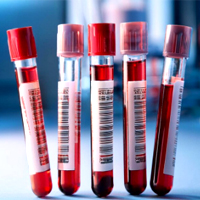
Blood Collection Facility